The Role of Indigenous Ingredients in Salvadoran Cooking
The Role of Indigenous Ingredients in Salvadoran Cooking
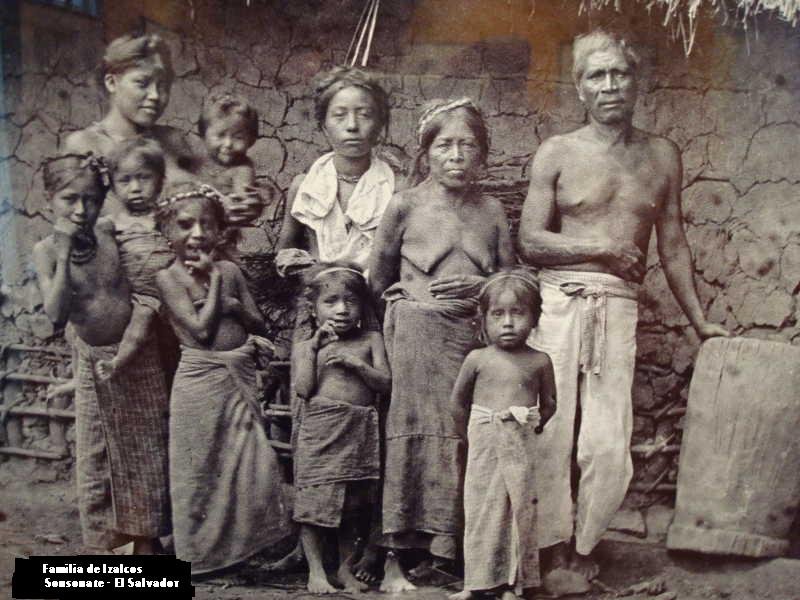
Salvadoran cuisine is a true reflection of the country’s rich history and diverse cultural influences. One of the key elements that sets Salvadoran cooking apart is the use of indigenous ingredients that have been cultivated and enjoyed by the native people of El Salvador for centuries. These unique ingredients not only add depth and complexity to Salvadoran dishes but also showcase the country’s vibrant culinary heritage.
Indigenous ingredients play a vital role in Salvadoran cooking, adding depth, flavor, and cultural significance to traditional dishes. From maize and beans to plantains and chiles, these ingredients showcase the country’s rich culinary heritage and continue to inspire Salvadoran cooks to create delicious and unique dishes that reflect the flavors of El Salvador.
Maize: The Staple Ingredient
Maize, or corn, is a staple ingredient in Salvadoran cooking and plays a central role in many traditional dishes. From tamales to pupusas, corn is used in a variety of forms to create hearty and delicious meals. In El Salvador, corn is not only a food source but also holds cultural significance, symbolizing fertility and abundance.
- Maize Varieties: There are several varieties of maize used in Salvadoran cuisine, including white, yellow, and blue corn. Each variety has its own unique flavor and texture, adding depth to dishes.
- Cornmeal: Cornmeal is used to make masa, the dough used to make pupusas, a popular Salvadoran dish. The masa is filled with ingredients such as cheese, beans, or pork before being cooked on a griddle.
- Cultural Significance: Maize has deep cultural roots in El Salvador, with traditional dishes like atol de elote, a sweet corn-based drink, being enjoyed during special occasions and celebrations.
Beans: A Protein-Rich Staple
Beans are another essential ingredient in Salvadoran cooking, providing a rich source of protein and fiber. Black beans, red beans, and pinto beans are commonly used in dishes such as casamiento, a traditional Salvadoran rice and beans dish.
- Bean Varieties: Different varieties of beans are used in Salvadoran cuisine, each with its own unique flavor and texture. Beans are often cooked with aromatics such as garlic, onions, and bell peppers to enhance their flavor.
- Health Benefits: Beans are not only rich in protein but also high in fiber, making them a nutritious addition to any meal. They are known for their ability to promote heart health and regulate blood sugar levels.
- Traditional Preparation: Beans are a staple in Salvadoran households and are often simmered with herbs and spices to create a flavorful base for soups, stews, and rice dishes.
Plantains: A Versatile Fruit
Plantains are a versatile fruit that is used in both savory and sweet dishes in Salvadoran cooking. Green plantains are often fried to make tostones, a crispy snack, while ripe plantains are fried or baked and served as a side dish or dessert.
- Plantain Dishes: Plantains are used in a variety of dishes, including plantain chips, plantain empanadas, and plantain soup. The versatility of plantains makes them a popular ingredient in Salvadoran cuisine.
- Nutritional Value: Plantains are a good source of vitamins A and C, as well as potassium and dietary fiber. They are a healthy alternative to traditional starchy side dishes like rice or potatoes.
- Sweet Plantains: Ripe plantains are often caramelized and served with cream or cheese as a dessert. They can also be mashed and fried to make plantain fritters, a sweet treat enjoyed by many Salvadorans.
Chiles: Adding Heat and Flavor
Chiles are an essential ingredient in Salvadoran cooking, adding heat and flavor to many dishes. From mild peppers to fiery habaneros, chiles are used in a variety of forms, including fresh, dried, and powdered.
- Chile Varieties: There are several varieties of chiles used in Salvadoran cuisine, each with its own unique flavor profile. Chiles are often roasted, toasted, or sautéed to bring out their natural heat and flavor.
- Health Benefits: Chiles contain capsaicin, a compound that has been shown to have anti-inflammatory properties and may help boost metabolism. They are also rich in vitamins A and C.
- Culinary Uses: Chiles are a versatile ingredient that can be used to add heat to salsas, marinades, and sauces. They are often paired with citrus fruits or vinegar to balance their spiciness.
Conclusion
Indigenous ingredients play a vital role in Salvadoran cooking, adding depth, flavor, and cultural significance to traditional dishes. From maize and beans to plantains and chiles, these ingredients showcase the country’s rich culinary heritage and continue to inspire Salvadoran cooks to create delicious and unique dishes that reflect the flavors of El Salvador.
FAQ
- What is the staple ingredient in Salvadoran cooking?
Maize, or corn, is the staple ingredient in Salvadoran cooking and plays a central role in many traditional dishes.
- How are beans prepared in Salvadoran cuisine?
Beans are soaked overnight and then cooked until tender before being added to dishes. They can also be mashed and fried to create refried beans.
- What are some popular dishes made with plantains in Salvadoran cooking?
Plantains are used in a variety of dishes, including plantain chips, plantain empanadas, and plantain soup.
- What is the cultural significance of maize in El Salvador?
Maize symbolizes fertility and abundance in El Salvador and holds cultural significance beyond being a food source.